The Northern Lights & Antarctica
The top of the world and the bottom of it: aurora hunting in the Arctic winter and expedition cruising to the White Continent.
Chasing the Northern Lights
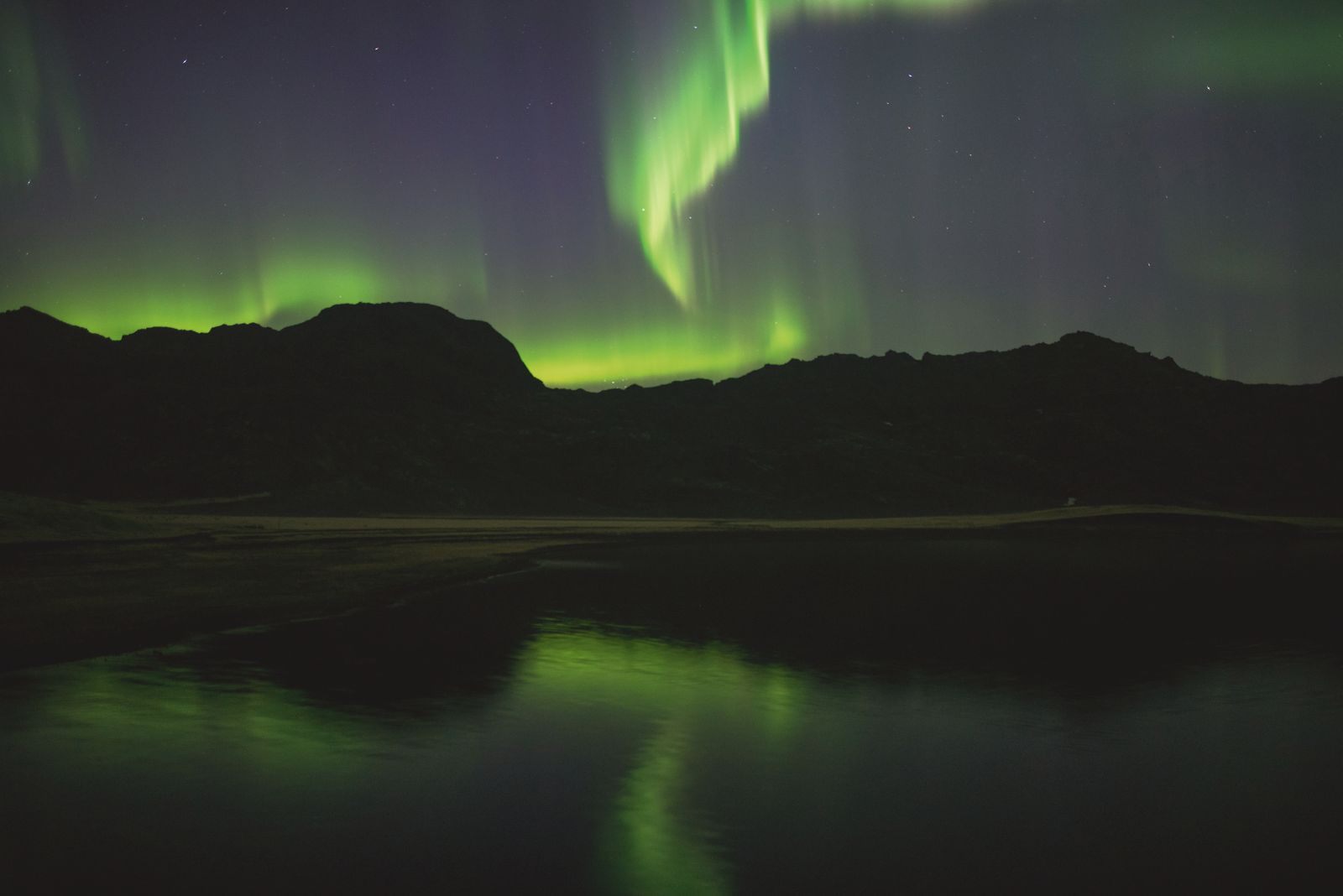
Few sights silence a crowd like a strong aurora: curtains of green, sometimes edged with pink and violet, rippling across a black sky. The lights are caused by charged particles from the Sun meeting Earth’s upper atmosphere, and they are seen most often under a ring around the magnetic pole called the auroral oval.
| Where | Why go | Gateway |
|---|---|---|
| Northern Norway | Tromsø and the Lofoten Islands sit under the oval; add fjord cruises and dog-sledding | Tromsø hotels |
| Iceland | Aurora plus waterfalls, glaciers and hot springs; easy flights from North America | Reykjavík hotels |
| Finnish Lapland | Glass-roofed cabins, reindeer and snowy forests around Rovaniemi | Rovaniemi hotels |
| Alaska & Canada | Fairbanks, the Yukon and the Northwest Territories; no passport needed from the U.S. for Alaska | Alaska cruise guide |
Give yourself at least three or four nights, stay away from city lights, and check the NOAA aurora forecast. Winter sailings along the Norwegian coast combine aurora viewing with the fjords; see Cruising Scandinavia.
Antarctica by Expedition Ship
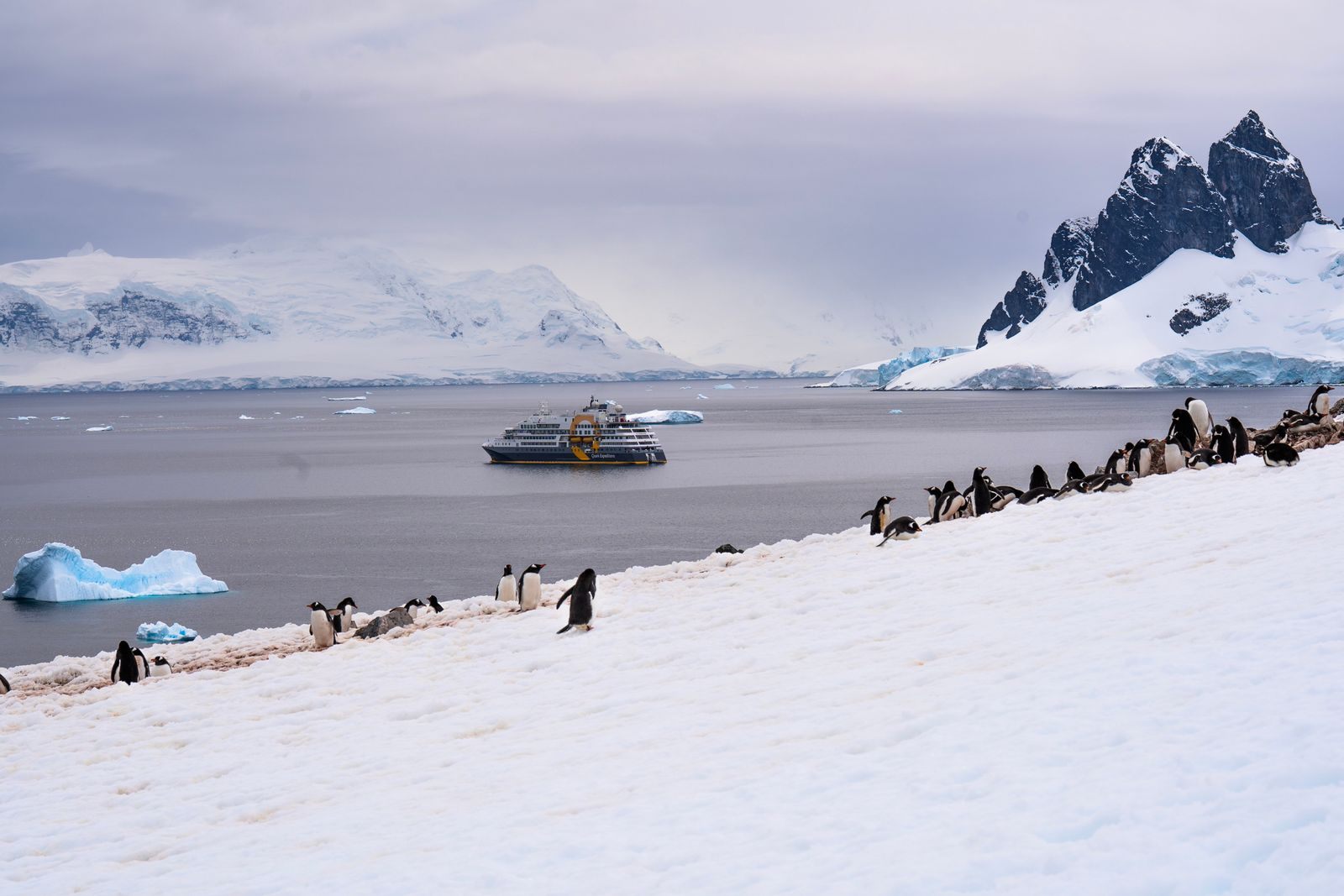
Antarctica is the trip people talk about for the rest of their lives: towering icebergs, glaciers calving into silent bays, and penguin colonies that stretch across whole hillsides. Most voyages sail from Ushuaia at the tip of Argentina, cross the Drake Passage in about two days and spend several days making zodiac landings along the Antarctic Peninsula.
Classic Peninsula voyage
About 10–12 days round trip from Ushuaia, including the Drake crossings.
Fly-cruise
Fly from Punta Arenas, Chile, to King George Island and skip the Drake Passage both ways.
Falklands & South Georgia
Longer voyages of about three weeks for king penguin colonies and Shackleton history.
Responsible travel
Choose operators that follow the guidelines of IAATO, which limits how many people land at once.
Stay a night or two in Ushuaia before you sail in case of flight delays. Compare ships and itineraries at Antarctica Adventure Cruises, Antarctic Adventure Cruises and Polar Expedition Cruises, which also covers Svalbard, Greenland and the Arctic.
Polar Trip FAQ
When is the best time to see the Northern Lights?
From roughly September to March, when nights are long and dark, in places under the auroral oval: northern Norway, Iceland, Finnish and Swedish Lapland, Fairbanks in Alaska and Canada’s Yukon and Northwest Territories. Clear skies matter as much as solar activity, so plan at least three or four nights.
Is 2026 still a good year for auroras?
Yes. The Sun’s current activity cycle peaked around 2024–2025, and strong displays remain possible for the next few years as activity slowly declines. NOAA’s Space Weather Prediction Center publishes short-term aurora forecasts.
When can you visit Antarctica?
Only during the southern summer, roughly November to March. November brings pristine snow and courting penguins, December and January the most daylight and chicks, February and March more whales.
How rough is the Drake Passage?
It varies from calm to very rough over the two-day crossing from Ushuaia. Fly-cruise itineraries skip it by flying to the South Shetland Islands. Bring seasickness remedies either way.
Get quotes for your polar expedition
Expedition ships fill early, especially in peak season. Cruise specialists can compare ships, cabins and departure dates for you — free, through the Official Cruise Directory.
Get free cruise quotes »